Diploma in Neurology: Master Brain & Nervous System Disorders
Stroke, Epilepsy & Neurological Disease Management Made Simple
The human brain controls everything we think, feel, and do — yet for many healthcare professionals, neurology remains one of the most intimidating specialties to master. Between the complexity of the nervous system, the urgency of conditions like stroke and epilepsy, and the sheer volume of neuroanatomy to learn, it’s no surprise that clinicians often feel underprepared at the bedside.
That’s exactly the gap the Diploma in Neurology from London HeartbeatZ Academy was built to close. This case-based, CPD-recognised online course helps doctors, nurses, physiotherapists, and medical students move from textbook theory to confident, real-world clinical decision-making.
In this article, we’ll break down what the course covers, who it’s designed for, and why neurology training has never been more valuable.
Why Neurology Skills Matter More Than Ever
Neurological conditions are far more common than most people realise, affecting a significant share of the global population at some point in their lives. Stroke, epilepsy, Parkinson’s disease, and multiple sclerosis are just a few of the conditions clinicians encounter regularly — often in high-pressure, time-critical situations where fast, accurate recognition can be the difference between recovery and lasting disability.
Despite this, many healthcare workers receive limited hands-on neurology exposure during their core training. That knowledge gap is precisely what a structured, case-based diploma aims to fill.
What You’ll Learn in the Diploma in Neurology
This isn’t a dry, textbook-style course. It’s built around real clinical scenarios, imaging, and step-by-step management pathways. Here’s a look at the core areas covered:
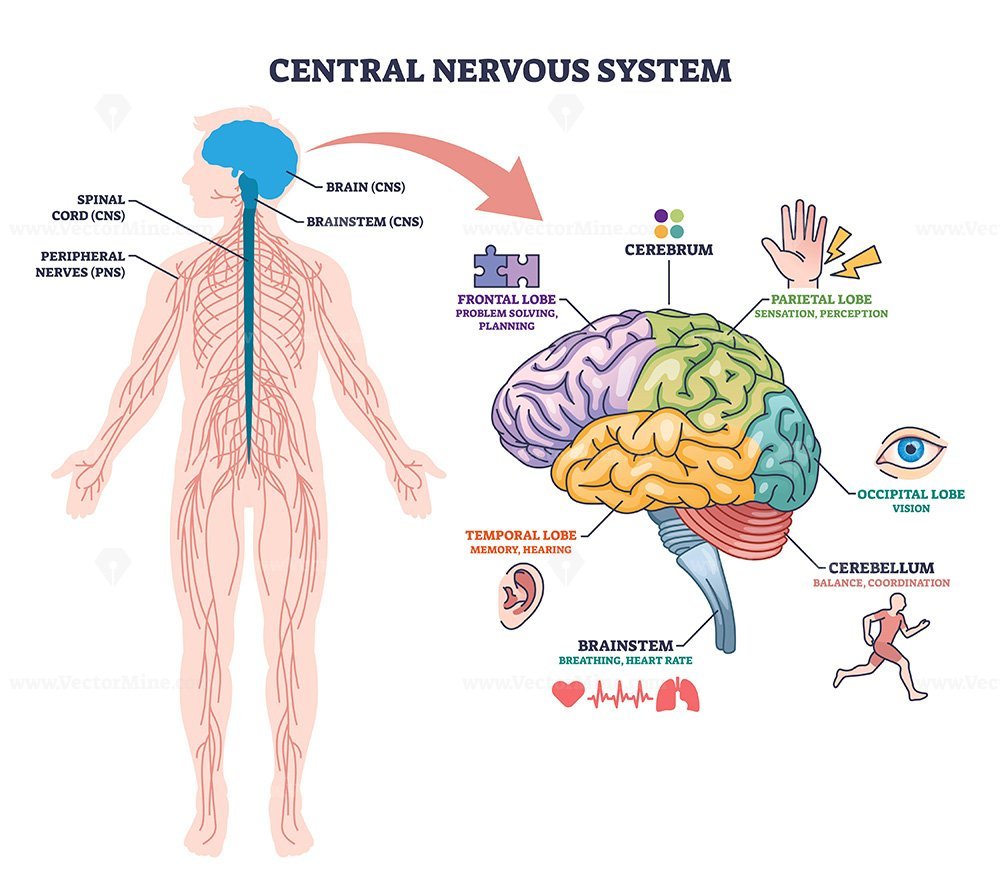
1. Core Neuroanatomy & Physiology
A solid foundation in the structure and function of the central and peripheral nervous systems, giving learners the building blocks needed to understand every disorder that follows.
2. Acute Stroke Recognition & Management
Learners are trained to identify and manage both ischaemic and haemorrhagic stroke quickly and correctly — including lesser-known presentations such as stroke in younger adults and rare but serious causes that are frequently missed in practice.
3. Epilepsy, EEG & Neurophysiology
The course teaches how to interpret EEG and MEG studies, recognise abnormal brain wave patterns, and understand what those findings mean for diagnosis and treatment planning — a critical skill for managing epilepsy and other seizure disorders.
4. Neuroplasticity & Brain Rehabilitation
Understanding how the brain adapts and rewires itself is central to modern rehabilitation strategies, and the course dedicates a full module to this evolving area of neuroscience.
5. Cognitive Neuroscience
A deep dive into how the brain processes perception, decision-making, and learning — knowledge that directly supports better clinical assessment.
6. Geriatric Neurology
Because the ageing brain presents differently, this module focuses on the unique neurological challenges seen in older patients.
7. Neuromuscular Disorders
Real case studies covering conditions such as myasthenia gravis, hemiplegia, and paraplegia bring theory into clinical context.
Who Should Enrol?
This diploma is designed for a wide range of learners, including:
- MBBS doctors and Foundation Year trainees looking to strengthen clinical neurology skills
- GP trainees and nurse practitioners who regularly assess neurological symptoms
- Physiotherapists and allied health professionals involved in neurological rehabilitation
- Medical students preparing for exams such as MRCP, PLAB, or USMLE
- Anyone with a genuine interest in how the brain and nervous system work
Whether you’re aiming to boost your CV, prepare for postgraduate exams, or simply become more confident managing neurological patients, this course is structured to meet you where you are.
Course Highlights
- Case-based, clinically focused curriculum designed by experienced neurologists and medical educators
- Covers acute neurology, chronic conditions, and neurophysiology in one structured pathway
- Includes dedicated modules on geriatric neurology and cognitive neuroscience
- Fully self-paced, so you can learn from anywhere in the world on your own schedule
- Certificate of Completion recognised as evidence of continuing professional development (CPD)
- Built-in self-assessment tools to test your neurological knowledge as you progress
Why This Course Is Worth Your Time
Neurology can feel overwhelming precisely because the stakes are so high — a missed stroke sign, a misread EEG, or a delayed seizure diagnosis can have serious consequences for patients. Structured, case-based training helps convert abstract textbook knowledge into pattern recognition you can actually use on shift.
Beyond the clinical value, completing a recognised neurology diploma also strengthens your professional profile, whether you’re applying for specialist training posts, preparing for postgraduate exams, or simply want to stand out as a clinician who takes neurological care seriously.
Final Thoughts
The Diploma in Neurology: Master Brain & Nervous System Disorders | Stroke, Epilepsy & Neurological Disease Management offers a practical, case-driven path into one of medicine’s most complex — and most rewarding — specialties. From acute stroke management to EEG interpretation and neuroplasticity, the curriculum is built to make neurology approachable without losing clinical depth.
If you’re ready to strengthen your neurology knowledge and clinical confidence, you can explore the full curriculum and enrolment details here:
Enroll Now – Diploma in Neurology – London HeartbeatZ Academy