Diploma in Cardiac Device & Rhythm Management (Level 2): The Ultimate Guide to Advanced CRT, ICD, Pacemaker & Electrophysiology Training
Cardiology education | Cardiac Resynchronization Therapy | ICD Programming | Pacemaker Follow-Up | Electrophysiology
Cardiac electrophysiology is one of the fastest-moving corners of modern medicine. New pacing strategies, smarter defibrillators, and increasingly sophisticated resynchronization devices are changing how cardiologists manage arrhythmias and heart failure. For any clinician who wants to stay ahead of that curve, a structured, advanced-level training pathway matters more than ever.
That’s exactly the gap the Diploma in Cardiac Device & Rhythm Management (Level 2) — an advanced CRT, ICD, pacemaker, and electrophysiology training programme from London HeartbeatZ Academy — is designed to fill. Below, we break down what the course covers, who it’s for, and why it’s generating buzz among cardiologists, electrophysiologists, and cath lab teams.
Why Advanced Rhythm Management Training Matters
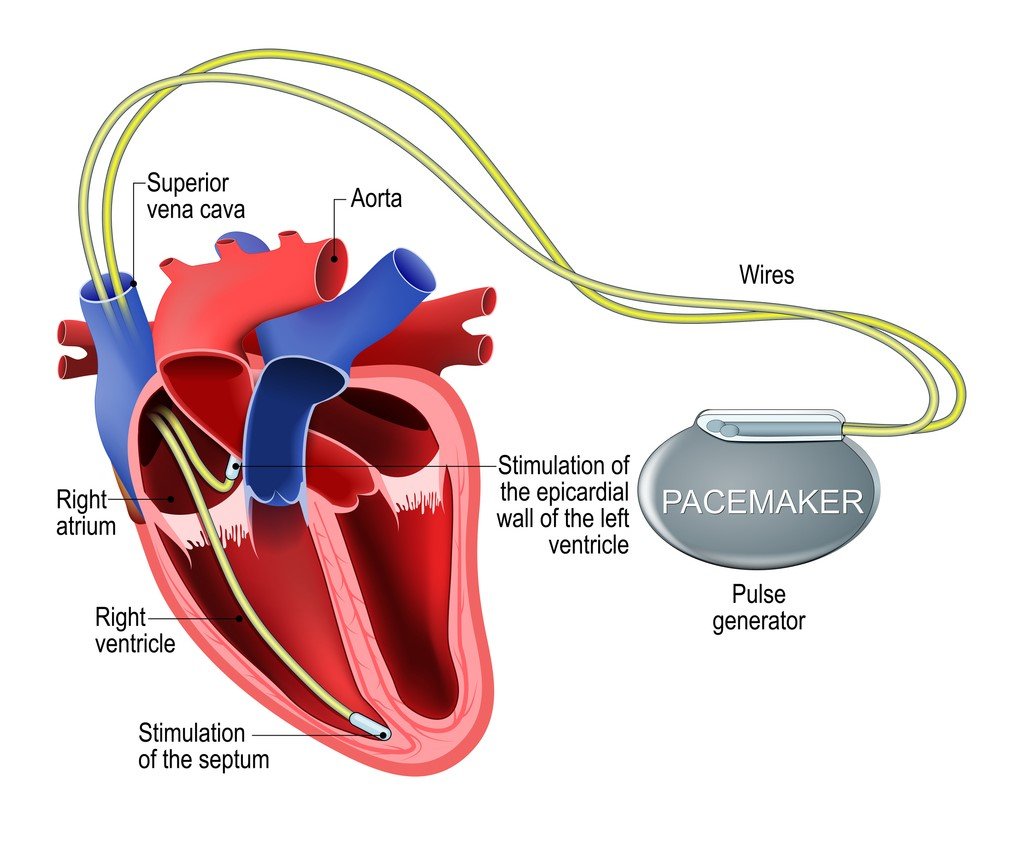
Bradyarrhythmias, heart failure with dyssynchrony, and life-threatening ventricular arrhythmias are managed today with an expanding toolkit — pacemakers, implantable cardioverter-defibrillators (ICDs), cardiac resynchronization therapy (CRT) devices, His bundle pacing systems, and implantable loop recorders (ILRs). Each device category comes with its own indications, implantation nuances, and follow-up programming challenges.
Foundational, entry-level courses rarely go deep enough into the “why” behind device selection, programming optimisation, or troubleshooting. This is where a Level 2, advanced diploma becomes valuable — it moves past the basics into the clinical reasoning and procedural detail that separates a confident device specialist from a generalist.
What the Diploma in Cardiac Device & Rhythm Management (Level 2) Covers
According to the official course page, this diploma is built around five structured modules that combine implantation technique, device programming, arrhythmia interpretation, and guideline-based decision-making:
Module 1: Cardiac Resynchronization Therapy (CRT) — From Basics to Mastery
This module walks through CRT indications, why some patients respond to therapy while others don’t, step-by-step implantation guidance, and how to interpret the 12-lead ECG after implant to confirm effective resynchronization.
Module 2: Advanced Device Implantation & Electrophysiology Insights
Here, the focus shifts to technically demanding scenarios — including difficult coronary sinus anatomy, differential pacing maneuvers, and a deeper look at cardiac physiology — alongside the essentials of ICD programming, sensing, and therapy delivery.
Module 3: Pacemaker Programming, Sick Sinus Syndrome & AV Conduction Disorders
This section covers the classification and recognition of sick sinus syndrome and AV blocks, mode selection, rate response, AV optimisation during pacemaker follow-up, and a candid look at why a significant share of implanted pacemakers may not meet strict clinical indications.
Module 4: ICD Therapy, His Bundle Pacing, ILR & Holter Monitoring
Learners dig into ICD troubleshooting (inappropriate shocks, T-wave oversensing, VT/VF discrimination), His bundle pacing as an emerging physiological pacing strategy, implantable loop recorder placement for unexplained syncope, Holter interpretation, and applying ACC/AHA/HRS/SCAI appropriate-use criteria in daily practice.
Module 5: Interactive ECG Challenge
The programme closes with a hands-on ECG quiz, complete with detailed explanations, to test and consolidate arrhythmia diagnosis skills under simulated exam and clinical conditions.
Key Topics You’ll Master
- Cardiac Resynchronization Therapy (CRT): indications, implantation, and post-procedure ECG optimisation
- ICD programming and troubleshooting, including inappropriate shock management
- His Bundle Pacing as a modern physiological pacing approach
- Implantable Loop Recorder (ILR) placement for syncope and atrial fibrillation detection
- Holter monitor interpretation for complex arrhythmias
- Sick Sinus Syndrome and AV block classification and pacing mode selection
- Pacemaker follow-up, programming, and rate-response optimisation
- Appropriate Use Criteria aligned with ACC/AHA/HRS/SCAI guidelines
Who Should Enrol?
This Level 2 diploma is aimed at practitioners who already have a working knowledge of cardiac devices and want to push their expertise further, including:
- Cardiologists and cardiology trainees
- Electrophysiologists and cardiac physiologists
- Cardiac catheterisation laboratory staff
- Nurse practitioners and advanced practice providers in cardiology
- Professionals preparing for cardiology board examinations or career advancement in rhythm management
Why Choose This Programme
The course is positioned around evidence-based, guideline-aligned content, with an emphasis on real-world clinical decision-making rather than theory alone. Rather than simply describing device features, it aims to teach the clinical judgment a senior electrophysiologist applies when selecting, implanting, programming, and troubleshooting cardiac rhythm devices — reinforced by an interactive ECG assessment at the end.
Ready to Advance Your Cardiac Device Expertise?
Whether you’re aiming to sharpen your CRT and ICD programming skills, get comfortable with His bundle pacing, or simply want a structured, guideline-based refresher before a board exam, this diploma offers a focused path forward.
👉 Learn more and enrol in the full course here: Diploma in Cardiac Device & Rhythm Management (Level 2) — London HeartbeatZ Academy