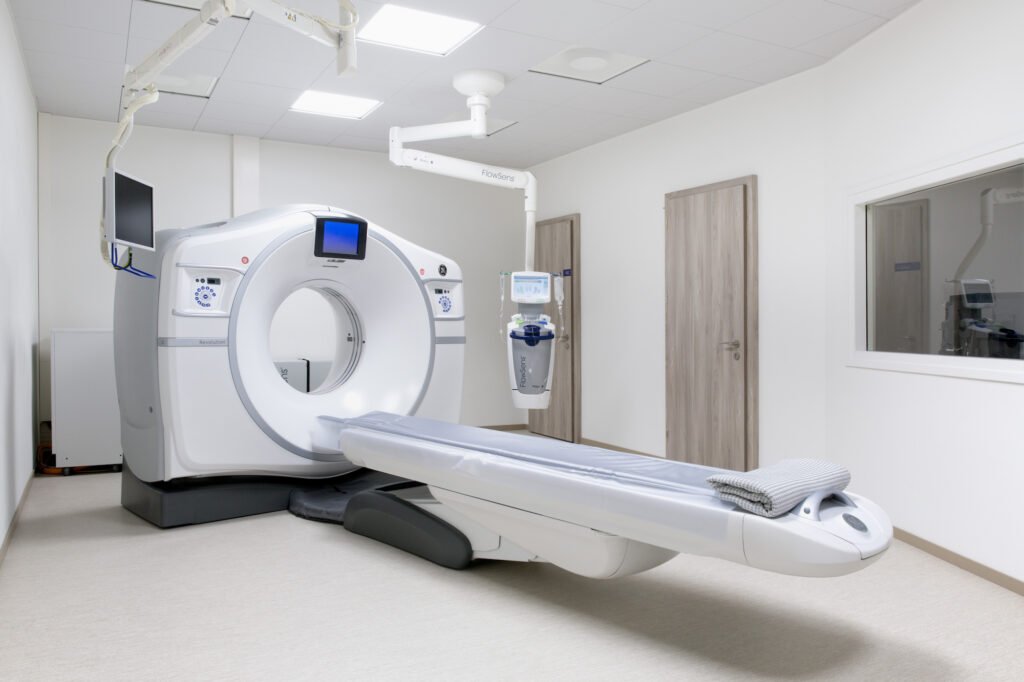
Diploma in Clinical Radiology & Medical Imaging: Your Gateway to a Career in CT, MRI, X-Ray, Echo & Interventional Radiology
Medical imaging sits at the heart of modern diagnosis and treatment. Every fracture, tumor, blocked artery, or organ abnormality that a doctor treats today is first seen — and that “seeing” is the work of radiology professionals. If you’re looking to build a stable, in-demand healthcare career without committing to a full medical degree, the Diploma in Clinical Radiology & Medical Imaging is one of the most practical paths available.
This blog breaks down what the course covers, why it matters, and how it can shape your career across CT, MRI, X-Ray, Echocardiography, and Interventional Radiology.
Why Choose a Diploma in Clinical Radiology & Medical Imaging?
Healthcare systems worldwide are leaning harder on diagnostic imaging every year. Hospitals, diagnostic centers, and multi-specialty clinics constantly need trained radiology technicians and assistants who can operate imaging equipment safely and accurately. A focused diploma program lets you:
- Enter the healthcare workforce faster than a full degree program
- Gain hands-on exposure to real imaging equipment and patient scenarios
- Specialize in high-demand modalities like CT, MRI, and Interventional Radiology
- Open doors to further certifications or degree-level studies later
What Does the Course Cover?
A well-structured clinical radiology diploma typically spans the major imaging modalities used in everyday clinical practice. Here’s a closer look at each.
1. X-Ray Imaging
The foundation of diagnostic radiology. Students learn positioning techniques, radiation safety protocols, exposure settings, and how to read basic radiographs for bone, chest, and abdominal studies.
2. CT (Computed Tomography) Scanning
CT training covers cross-sectional imaging principles, contrast administration, scan protocols for the brain, chest, abdomen, and trauma cases, along with the safety measures required around ionizing radiation.
3. MRI (Magnetic Resonance Imaging)
Perhaps the most technically demanding module, MRI training introduces magnetic field safety, sequence selection, and soft-tissue, neurological, and musculoskeletal imaging — all without ionizing radiation.
4. Echocardiography (Echo)
This module focuses on cardiac ultrasound: understanding heart chambers, valve function, and blood flow patterns. It’s a valuable specialization for students interested in cardiology-linked diagnostic roles.
5. Interventional Radiology
The most procedure-intensive part of the diploma, covering image-guided minimally invasive techniques such as angiography, biopsy assistance, and catheter-based interventions — bridging the gap between diagnosis and treatment.
Who Should Enroll?
This diploma is well suited for:
- Science graduates (Biology/PCB or PCM background) looking to enter healthcare
- Paramedical students wanting to specialize in imaging
- Working lab or hospital staff seeking career advancement
- Nursing or allied health graduates wanting a diagnostic imaging specialization
Career Opportunities After the Diploma
Graduates of a clinical radiology and medical imaging diploma can pursue roles such as:
- Radiology Technician / Technologist
- CT & MRI Scan Assistant
- Echocardiography Technician
- Cath Lab / Interventional Radiology Assistant
- Diagnostic Center Imaging Staff
With experience, many professionals move into supervisory roles, specialized modality-only positions (MRI-only or CT-only technologists), or pursue further degree-level radiography qualifications.
Skills You’ll Walk Away With
- Operating X-Ray, CT, MRI, and ultrasound equipment safely
- Patient positioning and comfort management during scans
- Radiation safety and protective protocols
- Basic image interpretation and quality checks
- Assisting in interventional and cath-lab procedures
- Documentation and reporting standards used in diagnostic centers
Why Hands-On Training Matters
Medical imaging is not a subject you can master from textbooks alone. Equipment familiarity, patient handling, and real-time decision-making only develop through supervised clinical exposure. A strong diploma program balances theory with practical rotations across radiology departments, giving you the confidence to work independently soon after graduation.
Ready to Get Started?
If you’re looking for a structured, practical program that covers CT, MRI, X-Ray, Echo, and Interventional Radiology under one diploma, you can explore the full curriculum, eligibility criteria, and enrollment details here:
👉 Diploma in Clinical Radiology & Medical Imaging — Full Course Details
Final Thoughts
The demand for skilled radiology and medical imaging professionals isn’t slowing down. As hospitals and diagnostic centers expand, so does the need for trained technicians who can confidently handle CT, MRI, X-Ray, Echo, and Interventional Radiology equipment. A focused diploma is often the fastest, most practical way to step into this growing field — combining classroom learning with the real clinical exposure employers actually look for.