Cardiac Devices & Rhythm Management Diploma: Master Pacemaker, ICD, CRT & Electrophysiology
Meta Description: Advance your cardiology career with the Diploma in Cardiac Device & Rhythm Management (Level 1 & 2). Learn pacemaker implantation, ICD, CRT and electrophysiology from experts. Enroll now.
Focus Keywords: cardiac device and rhythm management diploma, pacemaker ICD CRT course, electrophysiology masterclass, cardiac electrophysiology training, EP fellowship online
Introduction: Why Cardiac Rhythm Management Is the Future of Cardiology
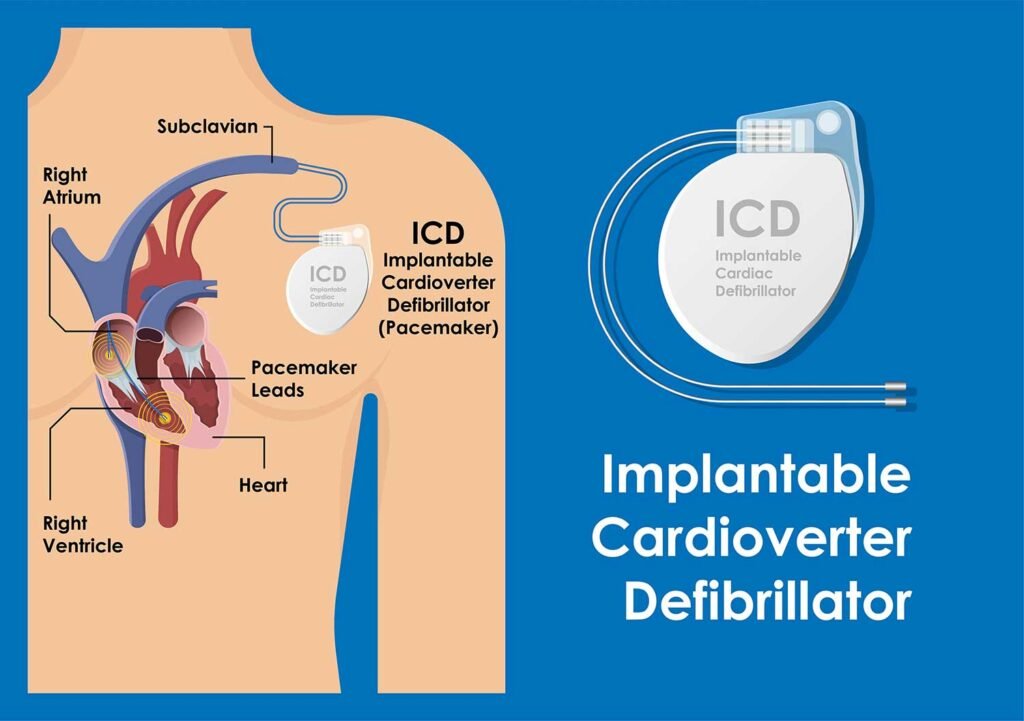
Heart rhythm disorders — from bradycardia to life-threatening ventricular arrhythmias — affect millions of people worldwide, and the demand for clinicians skilled in cardiac device therapy and electrophysiology (EP) has never been higher. Pacemakers, Implantable Cardioverter Defibrillators (ICDs), Cardiac Resynchronization Therapy (CRT) devices, and catheter-based EP procedures now form the backbone of modern arrhythmia management.
If you’re a cardiologist, physician, cardiac nurse, or allied health professional looking to specialize in this high-growth field, the Diploma in Cardiac Device & Rhythm Management – Level 1 & 2 by Heartbeatsz is designed to take you from foundational concepts to advanced, hands-on competence in device implantation and electrophysiology.
In this article, we break down what the course covers, who it’s for, and why it could be the career-defining step you’ve been looking for.
What Is Cardiac Device & Rhythm Management?
Cardiac Device & Rhythm Management (CDRM) is the specialized branch of cardiology focused on diagnosing and treating abnormal heart rhythms (arrhythmias) using implantable devices and electrophysiological techniques. It combines:
- Diagnostic electrophysiology — mapping the heart’s electrical system to identify the source of arrhythmias
- Device therapy — implanting pacemakers, ICDs, and CRT devices to correct or manage rhythm disorders
- Interventional EP procedures — catheter ablation techniques that treat arrhythmias at their source
- Long-term device follow-up — programming, troubleshooting, and optimizing implanted devices
Because this field sits at the intersection of cardiology, technology, and precision medicine, it requires structured, hands-on training — which is exactly what this diploma delivers.
Course Overview: Diploma in Cardiac Device & Rhythm Management (Level 1 & 2)
The Diploma in Cardiac Device & Rhythm Management is structured as a comprehensive, two-level masterclass that builds your expertise progressively — from core concepts to advanced clinical application.
Level 1: Foundations of Cardiac Devices
- Basic cardiac anatomy and the heart’s conduction system
- Introduction to arrhythmias and indications for device therapy
- Pacemaker fundamentals: types, modes, and implantation techniques
- Basic ECG interpretation for device patients
- Peri-procedural care and patient selection
Level 2: Advanced Devices & Electrophysiology
- Implantable Cardioverter Defibrillator (ICD) programming and indications
- Cardiac Resynchronization Therapy (CRT) for heart failure management
- Introduction to invasive electrophysiology studies (EPS)
- Catheter ablation techniques for common arrhythmias
- Device troubleshooting, remote monitoring, and complication management
- Case-based learning from real clinical scenarios
This progressive structure ensures learners build a strong theoretical foundation before advancing to complex, procedure-based knowledge.
1. Pacemaker Training: The Foundation of Rhythm Management
Pacemakers remain the most widely implanted cardiac devices globally. The course covers:
- Single-chamber vs. dual-chamber vs. biventricular pacemakers
- Implantation technique, vascular access, and lead positioning
- Programming basics and pacing modes (VVI, DDD, AAI)
- Recognizing and managing pacemaker malfunctions
2. ICD (Implantable Cardioverter Defibrillator) Training
ICDs are life-saving devices for patients at risk of sudden cardiac death. This module covers:
- Indications for primary and secondary prevention ICD therapy
- Device selection and implantation considerations
- Defibrillation threshold testing
- Programming shock and anti-tachycardia pacing (ATP) therapies
3. CRT (Cardiac Resynchronization Therapy) for Heart Failure
CRT devices are transforming outcomes for heart failure patients with conduction delays. You’ll learn:
- Patient selection criteria based on ejection fraction and QRS duration
- Biventricular pacing concepts and lead placement
- Optimizing CRT response and managing non-responders
4. Electrophysiology (EP) Masterclass
The EP component introduces learners to the diagnostic and interventional side of rhythm management:
- Principles of intracardiac electrical mapping
- Diagnosing supraventricular tachycardias, atrial fibrillation, and ventricular arrhythmias
- Catheter ablation fundamentals (radiofrequency and cryoablation)
- Emerging technologies in EP labs
Who Should Enroll in This Diploma?
This course is ideal for:
- Cardiologists seeking to specialize in electrophysiology and device therapy
- General physicians and internists wanting structured exposure to cardiac rhythm management
- Cardiac nurses and technologists involved in device clinics or EP labs
- Postgraduate medical students and residents planning a cardiology career path
- Allied health professionals working in cardiac catheterization labs
No matter your current experience level, the two-tier (Level 1 & 2) structure ensures you can start from fundamentals and progress toward advanced clinical competence.
Key Skills You Will Gain
By the end of this diploma, learners will be able to:
- Interpret ECGs relevant to pacemaker and ICD patients
- Understand implantation techniques for pacemakers, ICDs, and CRT devices
- Grasp core principles of electrophysiology studies and catheter ablation
- Recognize and manage common device complications
- Confidently discuss device therapy options with patients and care teams
- Stay current with evolving guidelines in arrhythmia management
Career Opportunities After Completing the Diploma
Specializing in cardiac device and rhythm management opens doors to several career paths, including:
- Cardiac Electrophysiologist — performing EP studies and ablations
- Device Clinic Physician — managing pacemaker/ICD/CRT follow-up clinics
- Cardiology Fellow/Consultant — with a competitive edge in interviews and fellowships
- EP Lab Specialist or Technologist — supporting interventional procedures
- Academic and Research Roles — in cardiac electrophysiology research
As arrhythmia-related conditions rise globally due to aging populations and increasing cardiovascular disease burden, professionals trained in device therapy and EP are in growing demand across hospitals, private cardiac centers, and academic institutions.
Why Choose Heartbeatsz for Your Cardiac Device & Rhythm Management Training?
Heartbeatsz has built its Diploma in Cardiac Device & Rhythm Management (Level 1 & 2) around real-world clinical relevance, combining:
- Structured, progressive curriculum — from fundamentals to advanced EP concepts
- Expert-led instruction from experienced cardiologists and electrophysiologists
- Case-based and scenario-driven learning for practical application
- Flexible, accessible online format suited to working healthcare professionals
- Certification that adds credibility to your CV and clinical profile
How to Enroll
Ready to take the next step in your cardiology career? You can view the full curriculum, faculty details, and enrollment information directly on the official course page:
👉 Diploma in Cardiac Device & Rhythm Management – Level 1 & 2
Frequently Asked Questions (FAQs)
Q1. Do I need prior cardiology experience to enroll? The course is structured in two levels, so Level 1 is beginner-friendly, while Level 2 builds on that foundation for more advanced learners.
Q2. Is this course suitable for nurses and technologists, not just doctors? Yes. Cardiac nurses, EP lab technologists, and allied health professionals working around device therapy will benefit significantly.
Q3. Does the diploma cover hands-on electrophysiology procedures? The course covers the core principles and clinical decision-making behind EP studies and ablation, providing a strong theoretical and case-based foundation.
Q4. Will I receive a certificate after completion? Yes, learners receive a diploma certificate upon successful completion, which can be added to your professional credentials.
Q5. How is this course different from a general cardiology course? This diploma focuses specifically on device therapy (pacemakers, ICDs, CRT) and electrophysiology — a specialized niche within cardiology that general courses typically don’t cover in depth.
Conclusion
The field of cardiac device and rhythm management is evolving rapidly, and structured, specialized training is the fastest way to build real clinical confidence in pacemakers, ICDs, CRT, and electrophysiology. The Diploma in Cardiac Device & Rhythm Management – Level 1 & 2 from Heartbeatsz offers a well-rounded pathway for healthcare professionals ready to specialize in this in-demand area of cardiology.
Take the next step in your cardiology journey — explore the full course details and enroll today.